
Antibiotics Treatment in ER: Rapid Relief for Serious Infections
When an infection turns serious, waiting isn’t an option. Whether you’re dealing with a high fever, spreading redness, or severe pain, antibiotics treatment in ER settings can be critical. Our emergency room provides immediate evaluation and access to powerful IV and oral antibiotics designed to combat bacterial infections quickly. With rapid diagnostics and experienced physicians on site 24/7, we ensure timely intervention to prevent complications and support faster healing—no appointment required.
When Do You Need Emergency Room Antibiotics?
Not all infections can wait for a clinic visit. If you’re experiencing symptoms like high fever, spreading skin redness, pus, chills, or rapid heart rate, it’s time to seek emergency room antibiotics. These signs often indicate that an infection has become severe or systemic, requiring immediate intervention. In our ER, physicians quickly assess your symptoms and initiate the appropriate antibiotic therapy—often starting with IV antibiotics in ER settings when the infection is too advanced for oral medications. This rapid delivery ensures the treatment begins working immediately to control the infection and prevent life-threatening complications.
Fast Antibiotic Treatment for Severe Infections
Our ER provides fast antibiotics for severe infection when time is critical. Whether it’s a deep skin abscess, a urinary tract infection that’s spread to the kidneys, or signs of sepsis, prompt antibiotic treatment can make all the difference. We specialize in ER treatment for bacterial infection, offering both IV and oral options tailored to the type and location of the infection. Our experienced team delivers urgent care for infection symptoms using on-site lab testing, imaging, and vitals monitoring to guide personalized treatment. When you need emergency care for infection symptoms, trust our 24/7 ER for fast relief and comprehensive care.


Signs You Need Emergency Antibiotics
Some infections turn dangerous fast—know when it’s time to head to the ER.
-
High or persistent fever
-
Spreading redness or swelling
-
Chills and body aches
-
Pus or drainage from a wound
-
Rapid breathing or heart rate
-
Confusion or disorientation
-
Severe pain at the site of infection


Common Infections Treated with IV Antibiotics
IV antibiotics in the ER are used for more aggressive or widespread infections.
-
Cellulitis and severe skin infections
-
Urinary tract infections with kidney involvement
-
Abdominal infections like diverticulitis
-
Sepsis or bloodstream infections
-
Pneumonia requiring immediate support

Benefits of ER Antibiotic Treatment
Emergency care provides fast relief when every minute matters.
-
Immediate symptom control and reduced spread
-
On-site diagnostics to guide targeted treatment
-
24/7 availability for critical cases
-
Close monitoring for allergic reactions or side effects
-
Coordination with specialists if needed
Why Emergency Room Antibiotics Can Be Life-Saving
Infections can sometimes escalate quickly, causing systemic symptoms that put your health—and even your life—at risk. When oral antibiotics aren’t fast or strong enough, the emergency room provides access to IV antibiotics in ER settings, which deliver powerful medication directly into your bloodstream for faster action. This can be critical for severe infections like cellulitis, pneumonia, or sepsis. Getting emergency room antibiotics early often prevents hospital admission and long-term complications.


IV Antibiotics in ER: What to Expect
When you arrive at the ER with a suspected severe infection, our team will assess your symptoms and quickly begin diagnostics such as blood work, cultures, or imaging. If needed, you’ll receive IV antibiotics in ER immediately. This method ensures higher concentrations of medication reach the infected area, making it far more effective than oral treatment in serious cases. Whether you have an infected wound or a deep internal infection, our emergency team tailors the antibiotic type and dose to your condition.
The Difference Between Urgent Care and ER for Infections
Not all infections need emergency room treatment, but if you’re experiencing severe symptoms—such as fever, rapid heartbeat, or spreading redness—urgent care may not be equipped to handle it. The ER provides advanced diagnostics, broad-spectrum IV antibiotics, and immediate access to specialists if the infection spreads. Understanding when to go to urgent care for infection and when to go to the ER can make a big difference in your recovery and prevent complications.
Pediatric Infections: When to Take Your Child to the ER
Children with infections can worsen quickly, especially if they are very young or immunocompromised. If your child develops a high fever, appears lethargic, or shows signs of dehydration, bring them to the ER for emergency care for infection symptoms. Pediatric patients may require IV antibiotics or observation to ensure their body is responding to treatment. Our emergency team has experience treating children of all ages with care and precision to minimize discomfort and anxiety.

Common Infections That May Require ER Antibiotic Treatment
Not every infection needs emergency care, but some demand immediate action—especially if symptoms are severe or rapidly worsening. ER teams are trained to identify and treat infections that could lead to serious complications if left untreated. If you’re experiencing concerning symptoms, the ER can provide fast antibiotics for severe infection and monitor for signs of deterioration.
Common infections treated with emergency room antibiotics include:
-
Sepsis or bloodstream infections – Often life-threatening, these require immediate IV antibiotics
-
Cellulitis – Skin infections that spread rapidly or involve fever and swelling
-
Pneumonia – Especially if accompanied by shortness of breath or high fever
-
Urinary tract infections (UTIs) – When associated with back pain, fever, or vomiting
-
Infected wounds or abscesses – Especially if pus, swelling, or red streaks are present
-
Appendicitis or intra-abdominal infections – Can worsen quickly without IV antibiotics
-
Post-surgical infections – Requiring prompt evaluation to prevent complications
If you’re unsure whether your symptoms need ER attention, it’s better to play it safe. Prompt emergency care for infection symptoms can help avoid hospitalization and speed up recovery.
We Accept Medicare and Most Major Insurance Plans
Our 24/7 emergency room is committed to making life-saving care accessible to everyone. We proudly accept Medicare and most major private insurance plans, ensuring that financial concerns never delay urgent treatment. Whether you’re experiencing chest pain, heart attack symptoms, or other medical emergencies, our billing team will work with you to verify coverage and minimize stress.
Get the care you need—fast, trusted, and insurance-friendly.
Frequently Asked Questions – Our Emergency Services
Can I get antibiotics in the ER?
Ans: Yes, emergency rooms can provide oral or IV antibiotics for infections that require immediate treatment.
When should I go to the ER for an infection?
Ans: If you have a high fever, rapid heartbeat, spreading redness, or difficulty breathing, visit the ER immediately for evaluation and care.
Are IV antibiotics stronger than pills?
Ans: IV antibiotics act faster and are often used for severe infections that require immediate, high-concentration dosing.
How do ER doctors decide which antibiotic to give?
Ans: ER physicians base the choice on your symptoms, medical history, and lab results to target the most likely bacteria.
What if the infection doesn’t get better after antibiotics?
Ans: If symptoms persist or worsen, return to the ER. You may need a different antibiotic or further testing to identify complications.

2023 Award Winning
What to Expect During an ER Visit for Infection
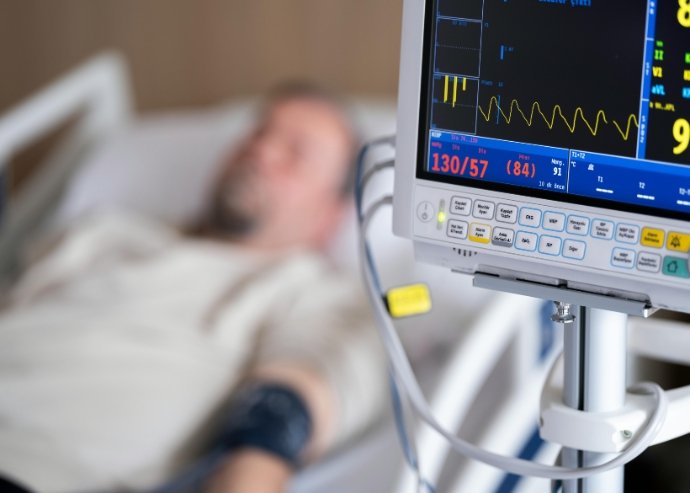
When you arrive at the ER with signs of a serious infection, the medical team will act quickly to assess your condition. Vital signs like temperature, heart rate, and blood pressure are checked first to determine urgency. Lab tests may be ordered to identify the type of infection, and diagnostic imaging—such as X-rays or ultrasounds—can help locate the infection’s source. Once the infection is confirmed, fast antibiotics for severe infection are administered, usually through an IV for rapid absorption. Supportive care, like fluids or oxygen, may also be provided to stabilize your condition. Throughout your visit, the ER team will monitor your response to treatment and determine whether further observation or hospital admission is needed.
Trust Our ER for Immediate Infection Care
Infections can escalate fast, and waiting for an outpatient appointment may put your health at risk. That’s why patients rely on our emergency room for antibiotics treatment and urgent infection relief. We’re open 24/7 with no appointment required and offer immediate access to IV antibiotics, infection screenings, and expert evaluation. Whether you’re dealing with severe UTI symptoms, skin infections, or post-surgical complications, our team is equipped to deliver emergency care for infection symptoms with speed, precision, and compassion. Don’t wait until symptoms become unbearable—walk in and get the care you need now.