
Emergency Care for Severe Allergic Reactions & Anaphylaxis
A severe allergic reaction can strike without warning—and when it does, every second matters. Whether it’s triggered by food, medication, insect stings, or unknown allergens, symptoms like swelling, trouble breathing, and a sudden drop in blood pressure could mean you’re experiencing anaphylaxis, a life-threatening medical emergency. Our ER offers immediate emergency care for severe allergic reactions, with round-the-clock access to epinephrine, airway support, and rapid intervention from trained professionals. Don’t wait—when allergic symptoms escalate fast, our 24/7 emergency room is ready to help save lives.
Recognizing the Signs of a Severe Allergic Reaction
Understanding the symptoms of anaphylaxis can help you take immediate action. Early signs may include skin reactions like hives or flushing, but severe cases often progress quickly to breathing difficulty, swelling of the face or throat, nausea, and even loss of consciousness. These are all indicators that you need emergency care for a severe allergic reaction. Some patients may not have a prior history of allergies, making it critical to treat any sudden, severe response to an allergen as a potential anaphylaxis emergency.
What to Expect in the ER for Anaphylaxis
When you arrive at our emergency room for allergic reaction treatment, we act quickly. You’ll receive a thorough assessment and, if necessary, immediate administration of epinephrine to counter the reaction. Oxygen therapy, IV fluids, and antihistamines may also be used to stabilize your condition. In life-threatening cases, airway support or admission for observation may be required. Our ER team is trained in managing anaphylactic reactions to ensure your safety and prevent further complications. Fast, expert intervention is the key to recovery when an allergy turns critical.


Common Triggers of Anaphylaxis
Severe allergic reactions are often caused by specific and avoidable substances.
-
Certain foods like peanuts, shellfish, and tree nuts
-
Insect stings from bees, wasps, or hornets
-
Medications such as antibiotics or NSAIDs
-
Latex or other chemical allergens


Immediate First-Aid Steps Before ER Arrival
Quick action can be life-saving before emergency professionals take over.
-
Use an epinephrine auto-injector if prescribed
-
Keep the person lying down and elevate their legs if possible
-
Avoid giving food or drink during swelling or breathing distress
-
Call 911 or head to the nearest ER immediately

Recognizing the Early Signs of a Severe Allergic Reaction
Anaphylaxis doesn’t always begin with dramatic symptoms. In many cases, it starts subtly—with itching, a strange metallic taste, or a feeling of warmth spreading through the body. These signs can quickly escalate into more dangerous symptoms like swelling of the face or throat, difficulty breathing, or a sudden drop in blood pressure. Recognizing these early indicators is critical, especially if you or your child has a known allergy. If you suspect anaphylaxis, don’t wait for the symptoms to worsen—head to the emergency room immediately for life-saving treatment.


How the ER Treats Severe Allergic Reactions
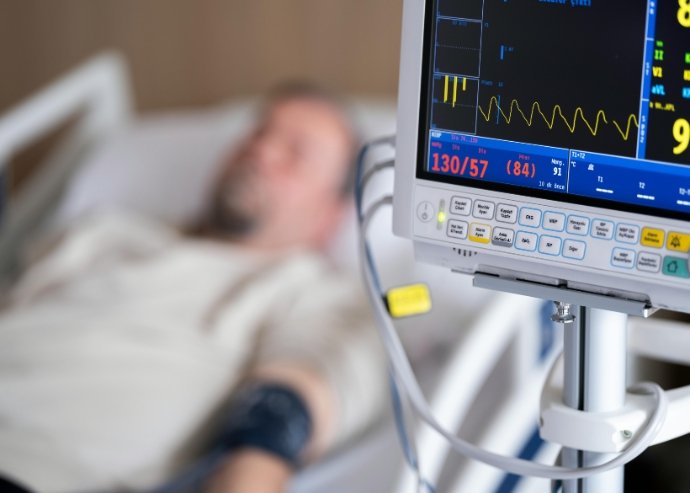
Emergency care for anaphylaxis focuses on fast, aggressive intervention. The first priority is stabilizing your airway and circulation. Epinephrine is usually administered right away to counteract the allergic reaction, followed by oxygen support, IV fluids, antihistamines, and corticosteroids to reduce inflammation and prevent relapse. The ER team will monitor vital signs continuously and address any respiratory or cardiac complications that may arise. This fast and comprehensive response can make all the difference in avoiding long-term damage or fatal outcomes.
Delayed Allergic Reactions: Why Observation Matters
While many allergic reactions occur within minutes, some symptoms can appear later—or even return after the initial treatment. This is known as biphasic anaphylaxis. That’s why emergency departments typically keep patients under observation for several hours after an allergic reaction has been treated. If you’ve been treated for a severe reaction, don’t leave without medical clearance. Continued monitoring ensures your safety in case symptoms resurface and allows for timely intervention if needed.
What to Bring to the ER If You Have Allergies
If you or a loved one is at risk of severe allergies, preparation is key. When heading to the ER, bring your epinephrine auto-injector if used, a list of known allergens, details of any medications taken, and information about past reactions. If you’re managing a child with allergies, include their pediatrician’s contact information and any allergy action plan you’ve received. Providing this information upfront helps ER staff make faster, more informed decisions about your treatment.

What to Do During a Severe Allergic Reaction
When a severe allergic reaction strikes, acting quickly can save a life. Here’s what you should do immediately before heading to the ER for emergency care:
-
Use an epinephrine auto-injector right away
If prescribed, administer your EpiPen or similar device at the first sign of anaphylaxis. -
Call 911 or go to the nearest emergency room
Even if symptoms seem to improve, professional monitoring and care are essential. -
Avoid the allergen and remove it if possible
For example, stop eating the suspected food or remove the insect stinger if visible. -
Keep the person lying down with legs elevated
This helps maintain blood flow unless there’s breathing difficulty, in which case sitting up may be better. -
Stay calm and monitor for worsening symptoms
Anxiety can worsen symptoms. Keep the airway open and be ready to give a second epinephrine dose if advised.
Every second matters during an allergic emergency. Knowing how to respond until professional care takes over can help reduce complications and improve outcomes. If you’ve had a reaction before, speak with your doctor about an emergency action plan and keep it on hand at all times.
We Accept Medicare and Most Major Insurance Plans
Our 24/7 emergency room is committed to making life-saving care accessible to everyone. We proudly accept Medicare and most major private insurance plans, ensuring that financial concerns never delay urgent treatment. Whether you’re experiencing chest pain, heart attack symptoms, or other medical emergencies, our billing team will work with you to verify coverage and minimize stress.
Get the care you need—fast, trusted, and insurance-friendly.
Frequently Asked Questions – Emergency Room for Allergic Reactions & Anaphylaxis
What are the signs of a severe allergic reaction?
A: Common signs include swelling of the face or throat, difficulty breathing, rapid heartbeat, hives, dizziness, and low blood pressure. These symptoms may indicate anaphylaxis and require immediate emergency care.
Should I go to the ER after using an EpiPen?
A: Yes. Even if symptoms improve after using an EpiPen, you should still go to the ER. Reactions can return after a short period, and monitoring is necessary.
Can I develop a severe allergic reaction without warning?
A: Yes. Anaphylaxis can occur suddenly—even if you’ve never had a reaction before. It’s important to seek immediate help if you suspect an allergic reaction is happening.
What causes severe allergic reactions?
A: Common triggers include certain foods (like peanuts or shellfish), medications, insect stings, and latex. In some cases, no specific cause is identified.
What does the ER do for an allergic reaction?
A: Our ER provides life-saving treatments such as epinephrine injections, IV fluids, oxygen, antihistamines, and corticosteroids, as well as close monitoring to prevent complications.

2023 Award Winning
Why Immediate ER Care Matters for Allergic Reactions
Delaying treatment for a severe allergic reaction can be life-threatening. Anaphylaxis can cause rapid airway swelling, plummeting blood pressure, and shock within minutes. Even if epinephrine is administered, medical professionals must monitor for rebound symptoms or biphasic reactions—where symptoms return after initial improvement. Our ER is equipped with advanced tools to stabilize breathing, deliver IV medications, and monitor vital signs closely, ensuring you’re fully supported through every stage of recovery.
Trust Our ER for Fast, Lifesaving Allergy Treatment
When you’re facing a medical emergency, experience and speed matter. Our emergency room is staffed 24/7 with doctors trained in treating allergic reactions and anaphylaxis. From rapid epinephrine administration to airway management and follow-up observation, we handle allergic emergencies with precision and compassion. Whether it’s your first reaction or a recurring episode, you can count on us for expert care when it matters most.