
Emergency Care for Breathing Difficulties: Fast Relief When Every Breath Counts
Struggling to breathe is one of the most terrifying medical experiences a person can face. Whether it’s a sudden shortness of breath, tightness in the chest, or labored breathing, these symptoms could point to a serious underlying issue requiring emergency care for breathing difficulties. Our 24/7 ER team is trained to respond quickly with oxygen therapy, nebulizers, imaging, and medications to restore proper breathing and prevent complications. When your lungs can’t keep up, don’t wait—get immediate medical help from experts who know how to protect every breath.
When Breathing Becomes a Medical Emergency
Not all breathing discomfort is harmless. If you’re gasping for air, struggling to speak full sentences, or feeling dizzy or faint, these are signs of a respiratory emergency. Conditions like asthma attacks, severe allergic reactions, pneumonia, or even blood clots in the lungs (pulmonary embolism) can cause life-threatening shortness of breath. These are not symptoms to monitor at home. Timely treatment in an emergency room is often the difference between rapid recovery and serious complications—or worse. Don’t ignore the signs. If you’re in doubt, trust your instincts and seek help.
Shortness of Breath: What’s Normal, What’s Not
Mild shortness of breath after physical exertion or during intense emotions can be normal. However, if shortness of breath occurs suddenly, while at rest, or is accompanied by chest pain, wheezing, or blue lips and fingertips, it could signal a dangerous problem. These may point to heart failure, infection, or obstructed airways. The emergency room for shortness of breath is equipped to immediately assess your oxygen levels, heart function, and lung health. If your breathing feels off in a way you’ve never experienced before, don’t wait it out—get checked.


When to Go to the ER for Breathing Difficulties
Breathing issues can escalate quickly—seek emergency care if you notice any of these symptoms:
-
Shortness of breath at rest or worsening rapidly
-
Chest pain or tightness that doesn’t improve
-
Blue lips, fingertips, or facial discoloration
-
Confusion, dizziness, or fainting
-
Inability to speak in full sentences
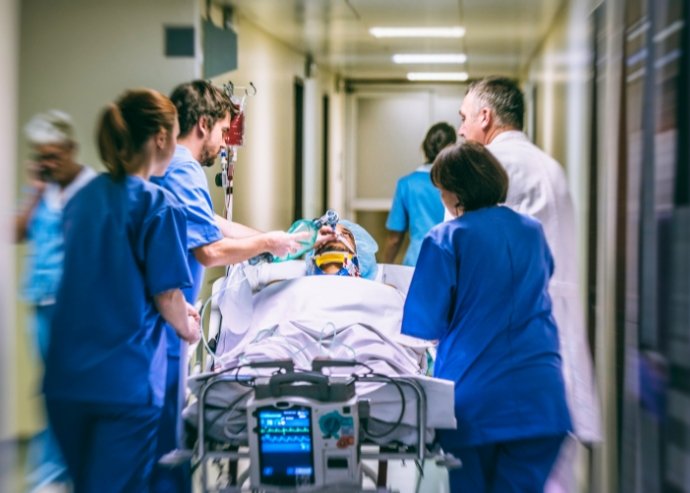

What to Expect During Your ER Visit
Knowing what happens at the ER can ease anxiety and help you prepare for urgent breathing care:
-
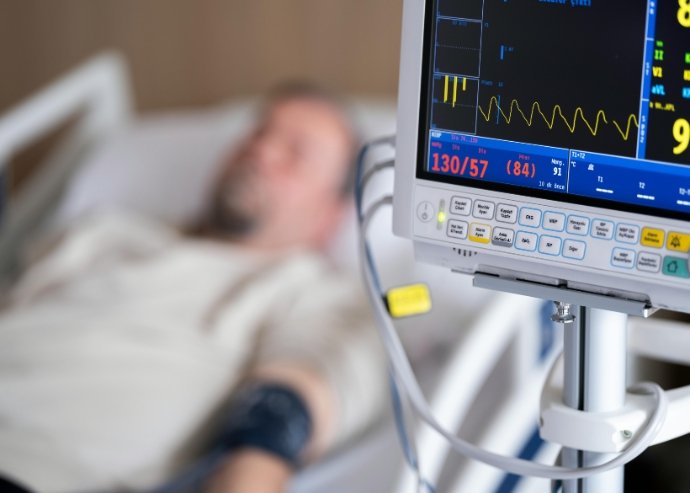
Oxygen level check and heart rate monitoring
-
Chest X-rays or CT scans to assess lung function
-
Nebulizer or bronchodilator treatments
-
Blood tests to check for infection or clots
-
Immediate medication and IV support if needed

How to Protect Yourself at Home
While emergencies need ER care, you can take steps to manage mild breathing issues at home:
-
Use inhalers or medications exactly as prescribed
-
Avoid smoking, allergens, and polluted air
-
Stay hydrated to help clear mucus
-
Sleep with your head elevated for easier breathing
-
Monitor symptoms and act early if they worsen
Asthma, COPD, or Allergies? ER Treatment Saves Time & Lungs
Emergency breathing issues can stem from different causes, and understanding them helps you choose the right care. During an asthma attack, your airways narrow and inflame. COPD flare-ups can restrict airflow due to chronic lung damage. Allergies or anaphylaxis may trigger sudden swelling or airway blockage. In all cases, our ER responds with tailored interventions: inhaled bronchodilators, steroids, supplemental oxygen, and allergy medications—all critical components of emergency care for breathing difficulties.


Signs You Should Head to the ER Immediately
A mild cough or wheezing isn’t always a crisis—but when symptoms escalate, fast action matters. If you’re experiencing chest tightness, persistent coughing that disrupts your sleep, or wheezing that lingers despite taking medication, it’s time to seek emergency care for breathing difficulties. Difficulty speaking in full sentences, lips turning blue, or confusion are clear emergencies. Immediate evaluation in an ER can help prevent severe events like respiratory failure or complications from undiagnosed conditions.
What Happens in the ER for Breathing Difficulties
When you arrive at our ER for shortness of breath or chest tightness, expect fast, streamlined care. We begin with a physical exam, vital readings, and oxygen saturation checks. Depending on your condition, we may administer oxygen therapy, run a chest x-ray, perform EKGs, or draw blood to check for infection or clotting issues. Nebulizers, IV medications, and respiratory support devices may be used to stabilize breathing—all aimed at swiftly improving your condition.
Children and Seniors: Special Care for High-Risk Patients
Breathing difficulty in children and older adults often signals greater risk and requires immediate attention. Children may not be able to explain symptoms fully; look for rapid breathing, retraction of chest muscles, or extreme irritability. Seniors may experience silent symptoms, like extreme fatigue, slow-to-react confusion, or downward oxygen levels. Our ER team is trained to provide 24/7 emergency care for breathing difficulties across age groups with age-appropriate treatments and monitoring.

Common Causes of Breathing Problems Treated in the ER
Breathing issues can stem from a variety of conditions—some minor, others severe. At our ER, we regularly treat patients with:
-
Asthma attacks
-
COPD flare-ups
-
Severe allergic reactions (anaphylaxis)
-
Bronchitis and pneumonia
-
Pulmonary embolisms (blood clots in the lungs)
-
Anxiety-related hyperventilation
-
COVID-19 and other viral respiratory infections
No matter the cause, emergency care for breathing difficulties begins with rapid diagnosis and tailored treatment to open your airways and stabilize your breathing.
We Accept Medicare and Most Major Insurance Plans
Financial stress should never stop you from getting the care you need in a crisis. That’s why our emergency room proudly accepts Medicare and most major insurance plans. We understand that medical emergencies are never planned, and our billing team works with you to verify your insurance and answer any questions. Whether you need treatment for abdominal pain, dehydration, infection, or another urgent issue, we’re committed to delivering high-quality care without financial worry. Just walk in and get the help you deserve.
Frequently Asked Questions – Emergency Room for Breathing Difficulties
What are the signs that breathing problems are an emergency?
Ans: Sudden shortness of breath, chest tightness, blue lips or fingers, fainting, or confusion all indicate a serious issue that needs ER attention right away.
Can the ER treat asthma or COPD attacks?
Ans: Yes, our emergency room is equipped to handle asthma flare-ups, COPD exacerbations, and other respiratory conditions with fast-acting medications and oxygen therapy.
What should I bring with me if I go to the ER for breathing issues?
Ans: Bring your ID, a list of current medications, any inhalers or breathing devices you use, and insurance information if available.
Is shortness of breath always caused by a lung condition?
Ans: Not always—breathing issues can be caused by heart problems, anxiety, infections, or even blood clots. The ER can quickly determine the underlying cause.
What treatments are available for breathing problems in the ER?
Ans: Treatments may include oxygen therapy, nebulizers, steroids, antihistamines, antibiotics (if infection is present), imaging tests, or even IV medications depending on the cause.

2023 Award Winning
Urgent Care vs Emergency Room for Breathing Issues
Deciding whether to visit urgent care or the ER depends on symptom severity. Mild cold symptoms like a runny nose, mild cough, or post-nasal drip may be treated at urgent care. But if you’re struggling to breathe, speaking in short phrases, wheezing, or showing chest pain—these require emergency medical attention. Our ER offers advanced treatments like continuous oxygen therapy, IV medications, and imaging studies available immediately. When you’re unsure, it’s safer to head straight to the ER.
Why Choose a 24/7 Emergency Room for Breathing Issues
Breathing emergencies don’t keep office hours—and neither do we. Our ER is open around the clock, staffed with respiratory specialists and equipped with diagnostic tools like imaging, EKGs, and lab testing to identify the root cause of shortness of breath fast. Whether it’s night or weekend, you’ll receive timely evaluations and medical responses tailored to your breathing condition. Fast access to emergency care for breathing difficulties can significantly reduce recovery time and potential complications.